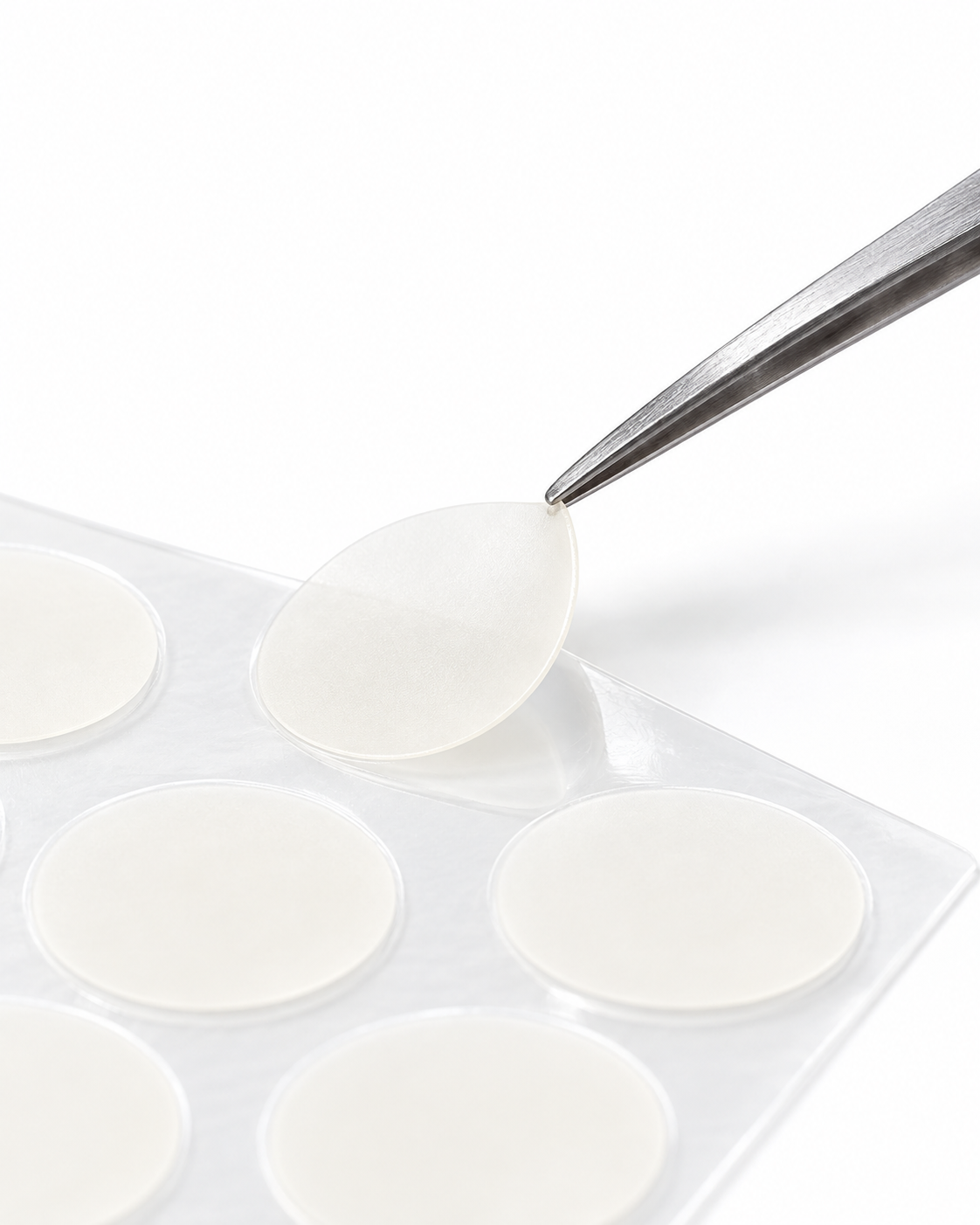
You put a tiny clear sticker over your pimple before bed.
By morning, the patch has turned white.
It feels strangely satisfying.
But did it actually do anything?
Hydrocolloid pimple patches have become one of the easiest acne products to use because they require almost no effort.
Stick one on.
Leave it alone.
Remove it later.
But they are not magic stickers, and they do not work equally well on every type of breakout.
Here is what they actually do.
What Is A Hydrocolloid Pimple Patch?
Hydrocolloid is an absorbent material that has been used in wound-care settings for years.
When placed over a suitable pimple, it can absorb fluid while forming a protective covering over the area.
The Dekina Beauty Clear & Confident Hydrocolloid Pimple Patch uses this technology alongside ingredients including Salicylic Acid, Tea Tree Oil, Centella Asiatica, Aloe Vera and Bisabolol.
Why Does A Pimple Patch Turn White?
This is the part everybody loves.
As hydrocolloid absorbs moisture and fluid from the blemish, the patch can become white or opaque.
That visible change is generally a sign that the patch has absorbed fluid.
It is not “pulling toxins out of your skin.”
It is simply absorbing moisture from the surface-level blemish underneath.
Less dramatic.
Still useful.
Which Pimples Do Patches Work Best On?
Hydrocolloid patches generally work best on surface-level pimples that contain fluid, especially whiteheads.
They can also be useful for pimples that have already opened, because the patch helps keep your fingers and external irritants away from the area.
They are particularly useful when your biggest problem is:
“I know I am going to pick this pimple.”
Cover it.
Now your fingers have been removed from the conversation.
Which Pimples Are They Less Useful For?
A patch cannot absorb fluid that has not reached the surface.
This means it may be less effective on:
• Deep cystic acne
• Painful under-the-skin bumps
• Closed bumps with no visible opening
• Blackheads
• Large areas of widespread acne
If the pimple is deep beneath the skin, sticking a patch over the top may do very little.
That does not mean the patch is defective.
It means the blemish is not the type hydrocolloid handles best.
How Do You Apply A Pimple Patch Correctly?
This matters.
Step 1: Cleanse
Wash the area gently.
Step 2: Dry Completely
The skin must be dry.
Do not apply toner, serum, moisturiser or facial oil underneath the patch.
Skincare underneath can stop it from adhering properly.
Step 3: Apply The Patch
Place the patch directly over the blemish and gently press it down.
Step 4: Leave It Alone
Wear it for around 6–8 hours or overnight.
Step 5: Remove And Replace If Needed
Once the patch becomes white or opaque, gently remove it.
Use another patch if necessary.
Can You Put A Pimple Patch Over Your Skincare?
Ideally, no.
Apply the patch first to clean, dry skin.
Then continue your skincare routine around the patch.
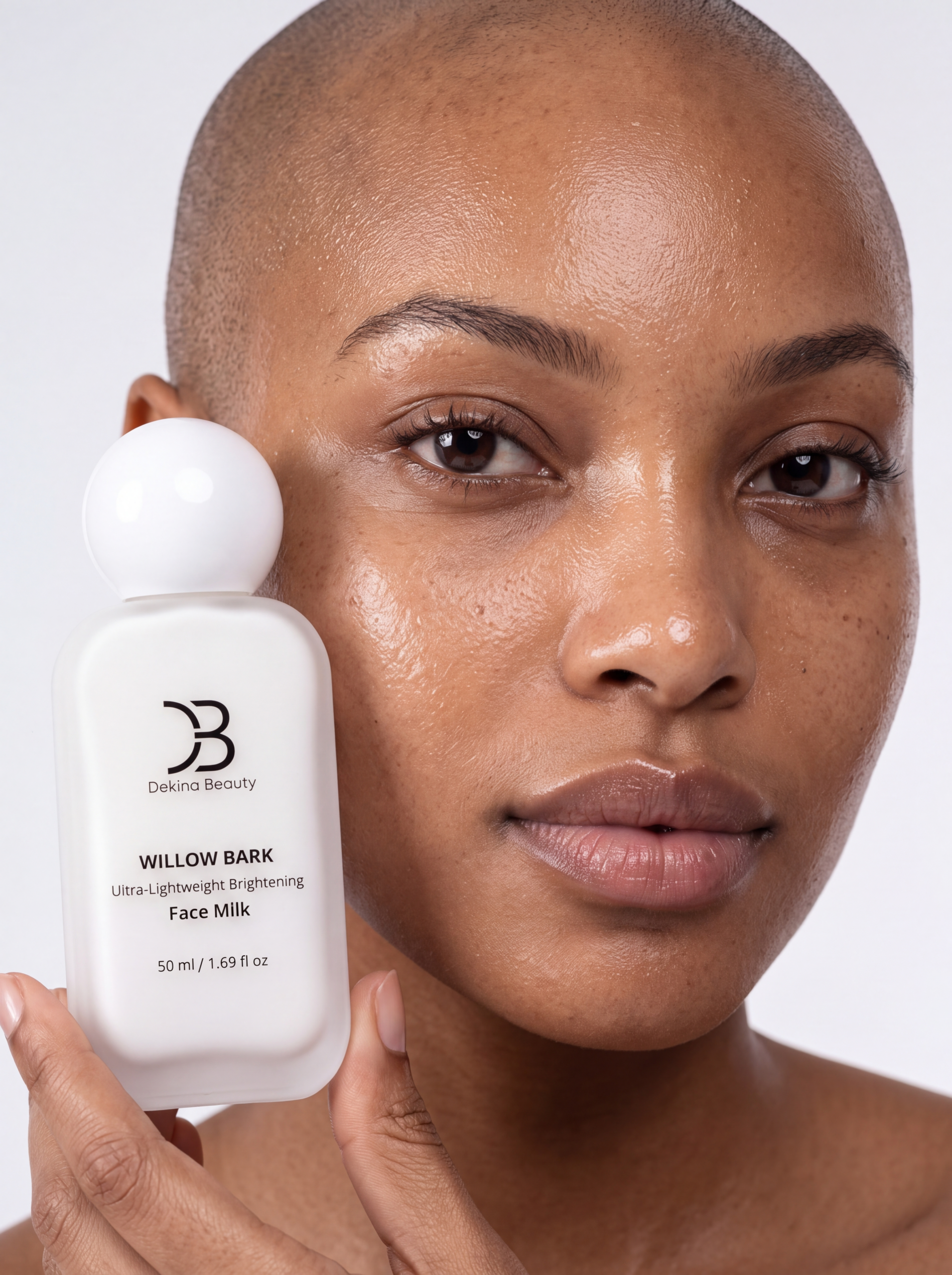
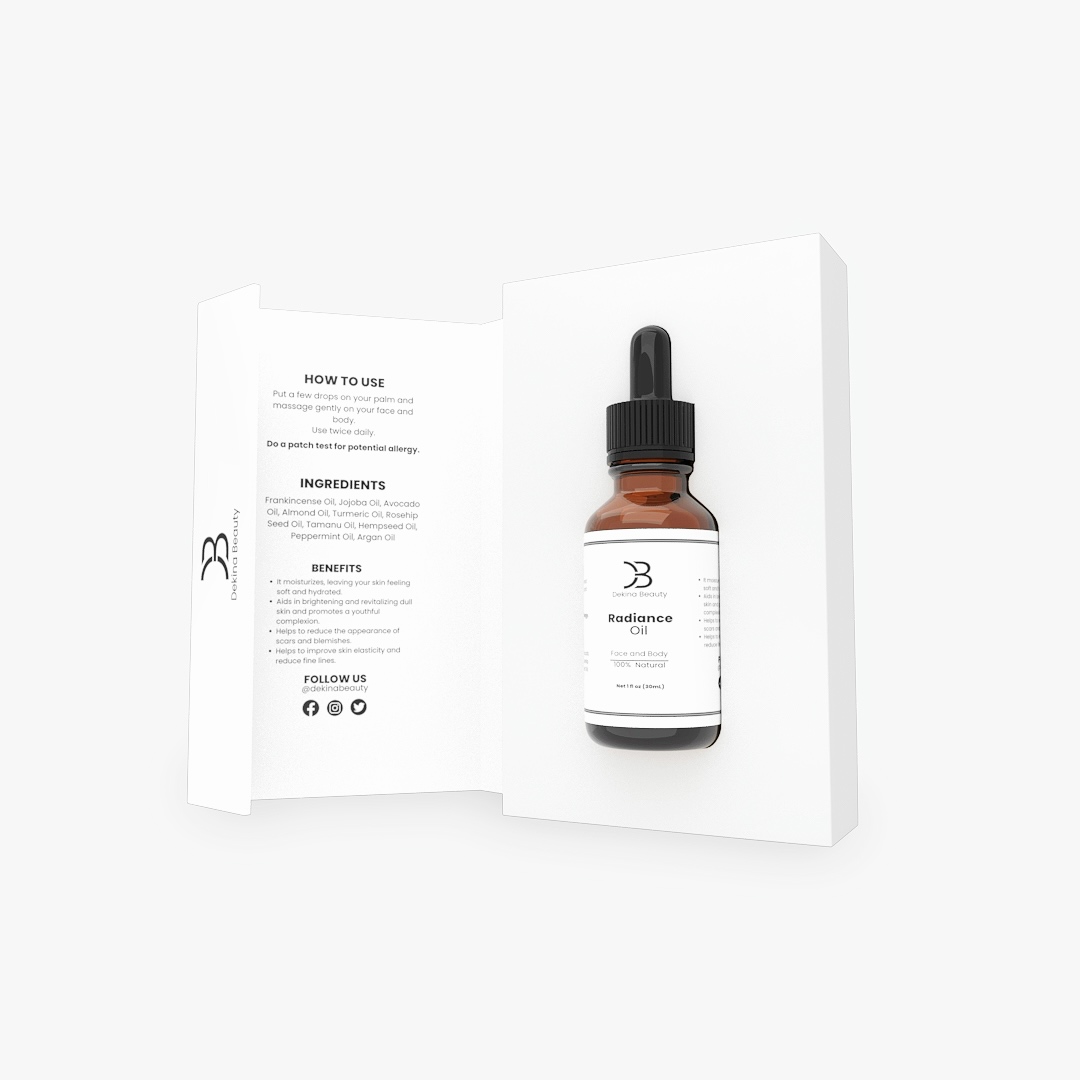
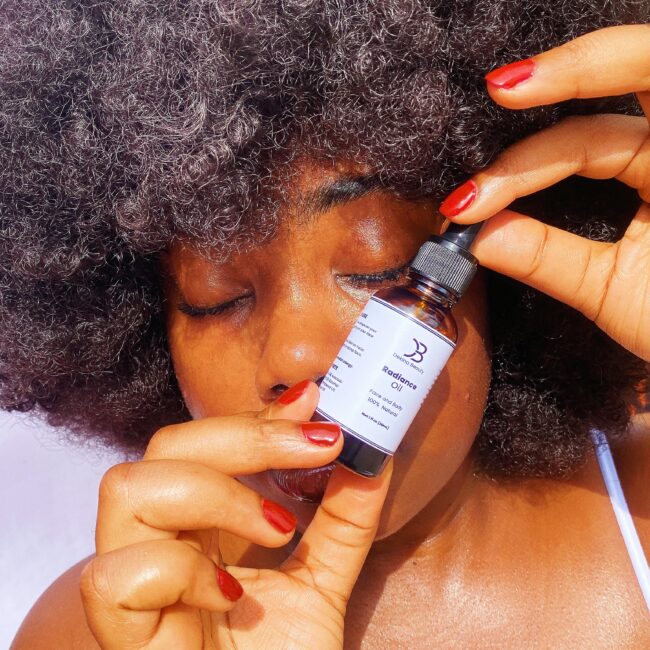
If you apply Face Milk or Radiance Oil underneath it, do not be surprised if the patch starts sliding around.
Hydrocolloid likes dry skin.
Can You Wear A Pimple Patch During The Day?
Yes.
Transparent patches can be worn during the day if you prefer.
Some people like them because they make the blemish less tempting to touch.
You can also wear one overnight and remove it in the morning.
Both approaches are fine.
Do Pimple Patches Stop Acne From Coming Back?
No.
A hydrocolloid patch treats an individual suitable blemish.
It does not solve every factor involved in acne.
If you have frequent breakouts, look at your entire skincare routine rather than covering each new pimple and ignoring the pattern.
Your daily routine still matters.
Can Pimple Patches Prevent Dark Spots?
A patch cannot guarantee that a pimple will leave no pigmentation.
But it may indirectly help by preventing you from repeatedly touching, scratching and squeezing the breakout.
Less physical trauma can mean less unnecessary inflammation.
If post-acne dark marks are a concern, your broader routine may include brightening skincare and daily sunscreen.
What Should You Use With A Pimple Patch?
Keep the rest of your routine simple.
For example:
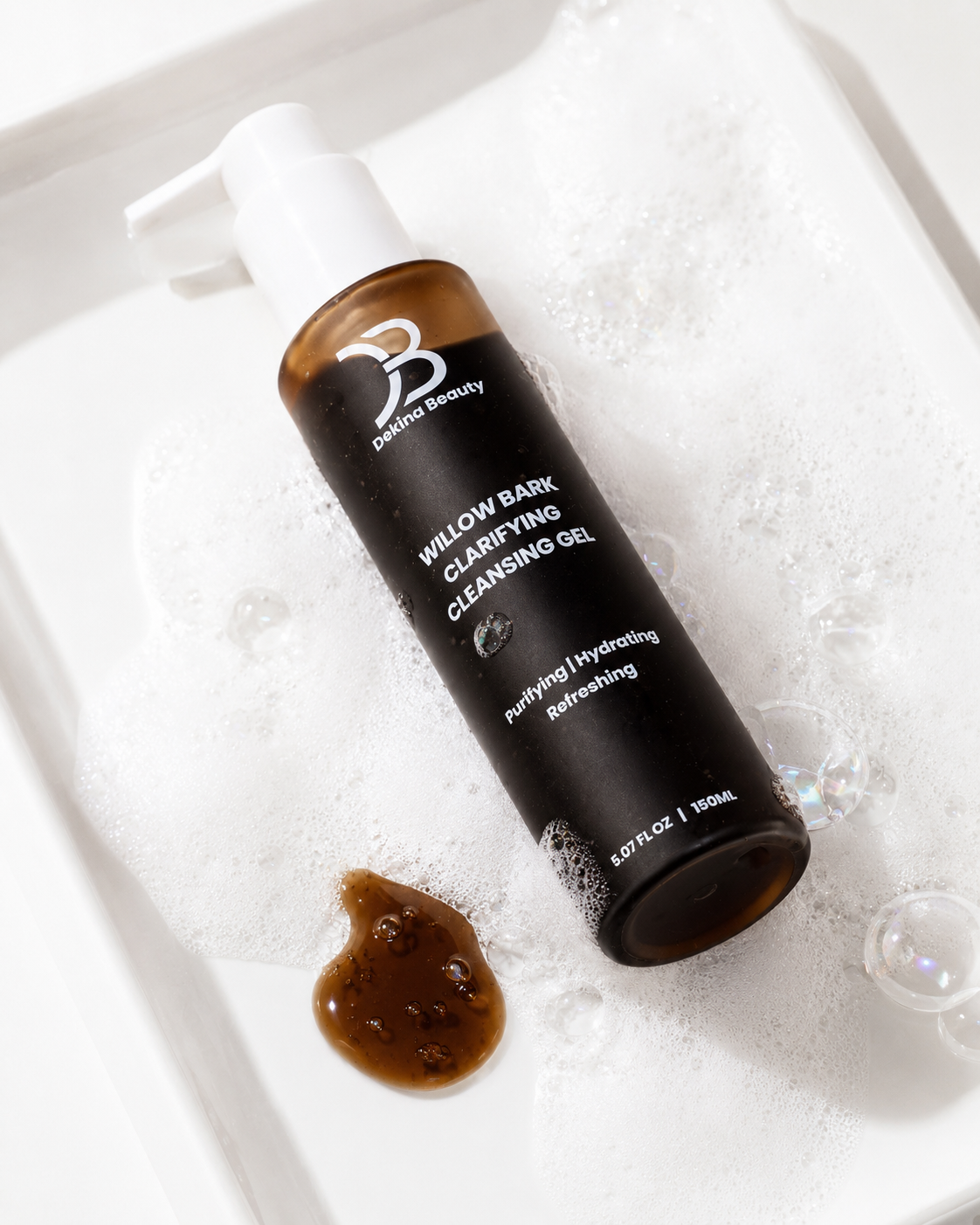
Cleanse with Willow Bark Clarifying Cleansing Gel.
Dry the skin thoroughly.
Apply the Clear & Confident Hydrocolloid Pimple Patch.
Then apply your toner, serum and Face Milk around the patch.
In the morning, finish with sunscreen.
What If The Patch Does Not Turn White?
That does not automatically mean you used it incorrectly.
The blemish may simply not contain fluid that the patch can absorb.
If you keep applying patches to a deep under-the-skin bump and nothing happens, the issue is probably the type of pimple rather than the patch.
How Long Should You Leave A Pimple Patch On?
For most patches, several hours or overnight is enough.
The Dekina Beauty Clear & Confident Hydrocolloid Pimple Patch can be left on for around 6–8 hours or overnight.
Once it turns white or opaque, it has likely absorbed what it can and can be removed.
You do not need to keep the same patch on all day and all night.
Should You Pop A Pimple Before Applying A Patch?
No.
Do not squeeze a pimple just to make the patch “work better.”
That can increase irritation and inflammation and may make post-acne marks more noticeable.
If a pimple has naturally come to the surface, a patch may be useful.
But creating an open wound yourself is not part of the process.
Are Pimple Patches Good For Acne-Prone Skin?
They can be useful as a targeted tool, especially if you get occasional whiteheads or have a habit of picking blemishes.
But if you have persistent, widespread or painful acne, pimple patches alone are unlikely to be enough.
Think of them as one part of an acne-prone skincare routine, not the entire routine.
The Takeaway
Yes, hydrocolloid pimple patches can work.
But they work best when you use them for the right kind of blemish.
Think:
Whiteheads.
Surface-level fluid-filled pimples.
Blemishes you are tempted to pick.
They are less useful for deep cystic acne and closed under-the-skin bumps.
Apply them to clean, completely dry skin.
Leave them on for several hours.
And remember:
A pimple patch is a useful tool.
It is not your entire acne routine.