The pimple is gone.
But somehow, it left a reminder.
For many people with Black or deeper skin tones, acne does not end when the breakout heals. A flat brown, dark-brown or greyish mark can remain in its place for weeks or even months.
These marks are often called acne scars, but many of them are actually post-inflammatory hyperpigmentation, or PIH.
And understanding the difference matters because dark spots and true acne scars are not treated in exactly the same way.
Why Does Acne Leave Dark Spots?
When your skin becomes inflamed from a breakout, it can respond by producing extra melanin in that area.
Once the pimple heals, the inflammation disappears but the excess pigment may remain.
This is particularly noticeable in melanin-rich skin, where the skin naturally produces more pigment.
The darker mark is not necessarily permanent, but it can take time to fade.
Picking, squeezing and irritating pimples can also make the resulting pigmentation more noticeable.
Dark Spot Or Acne Scar?
A simple way to tell the difference is to look at the texture.
If the mark is flat and simply darker than the surrounding skin, it is more likely post-acne hyperpigmentation.
If the skin is indented, raised or visibly textured, you may be dealing with acne scarring.
Skincare can help improve the appearance of pigmentation.
Deep structural acne scars often need professional treatments.
Stop Creating New Dark Spots First
It is tempting to focus entirely on fading the marks you already have.
But if new pimples keep appearing and becoming irritated, new dark spots can continue forming.
A better approach is to support both concerns at the same time:
• Keep the skin gently cleansed
• Avoid picking pimples
• Use targeted products consistently
• Keep the skin hydrated
• Wear sunscreen
Think of it as closing the tap before trying to mop the floor.
Use Brightening Ingredients Consistently
You do not need to attack dark spots with the strongest treatment you can find.
Brightening ingredients can help gradually improve the appearance of uneven pigmentation without trying to change your natural skin tone.
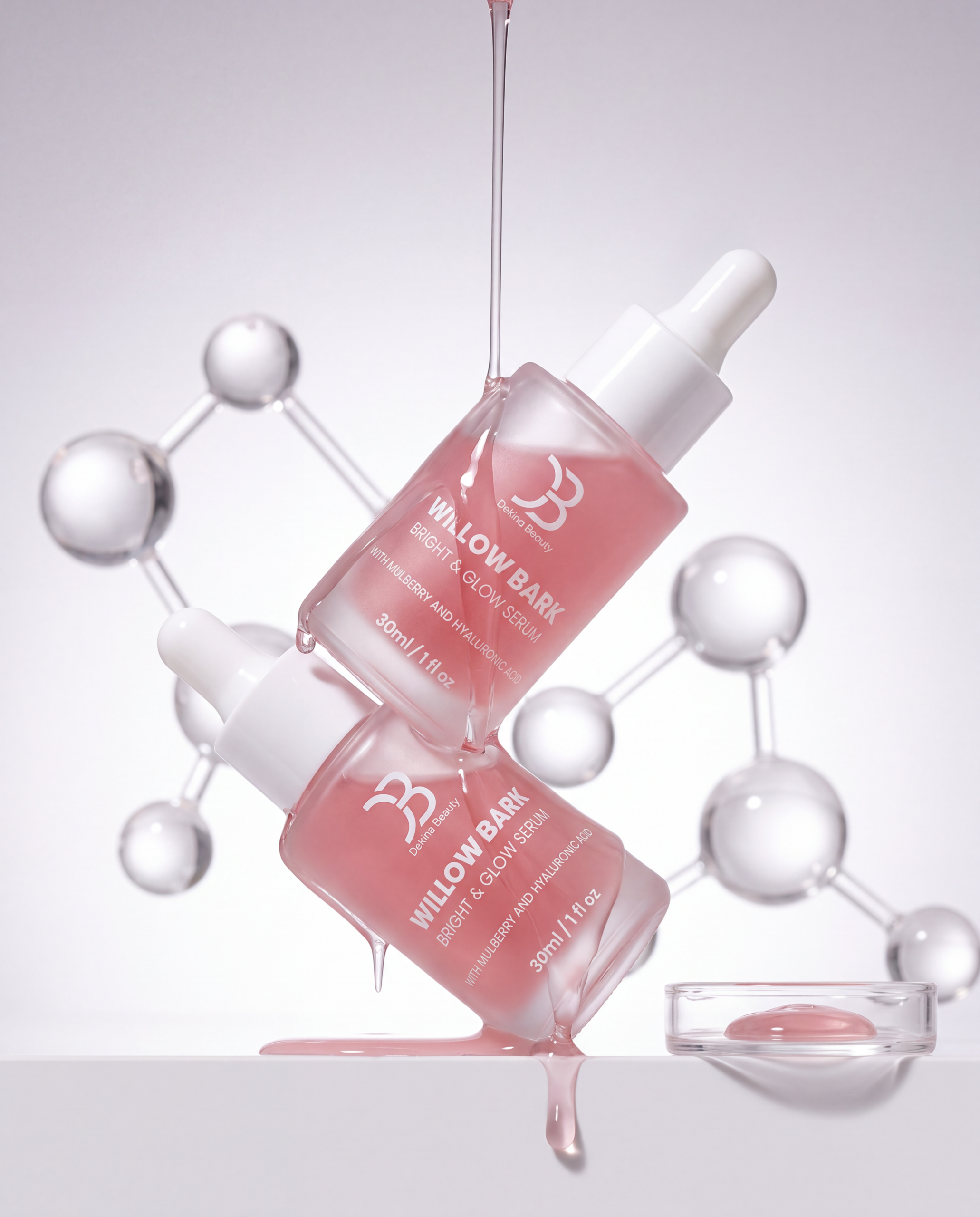
The Dekina Beauty Willow Bark Bright & Glow Serum combines brightening botanicals including Licorice Root, Mulberry and Bearberry extracts alongside hydrating ingredients such as Aloe Vera and Hyaluronic Acid.
The goal is not lighter skin.
It is a more even-looking complexion.
Do Not Over-Exfoliate
When a dark spot refuses to disappear, the natural reaction is often:
Maybe I need to exfoliate more.
That can backfire.
Excessive exfoliation can irritate the skin, and irritation itself can contribute to further pigmentation in deeper skin tones.
If your routine already contains exfoliating ingredients, adding several more products may not make the process faster.
Watch for signs that you are doing too much:
• Burning
• Persistent stinging
• Flaking
• Increased sensitivity
• New irritation
• Products that suddenly hurt when applied
Brightening should not require damaging your skin first.
Moisturiser Still Matters
Dark spots may be your main concern, but your skin barrier still needs support.
Well-hydrated skin generally looks smoother, softer and more radiant, which can improve the overall appearance of an uneven complexion.
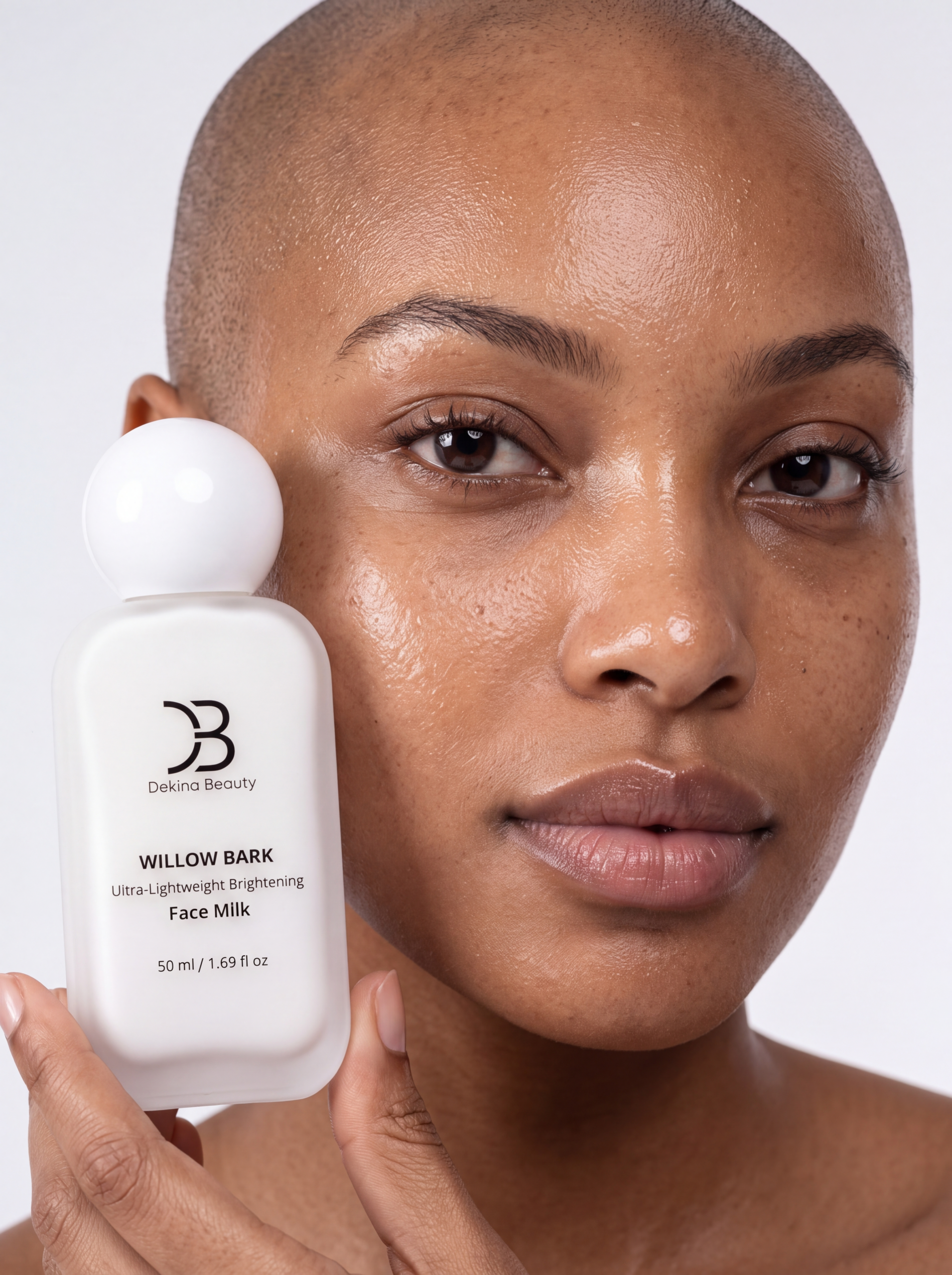
The Dekina Beauty Willow Bark Ultra-Lightweight Brightening Face Milk combines lightweight hydration with Licorice and Mulberry extracts to support both moisture and brightness without a heavy finish.
If your skin is oily, start with a small amount.
You do not need to choose between brightening and moisturising.
Sunscreen Is Part Of Your Dark Spot Routine
You can use every brightening serum you own, but if sun protection is missing, your routine has an important gap.
UV exposure can make existing pigmentation more persistent.
A simple morning routine could be:
Cleanser → Bright & Glow Serum → Face Milk → Sunscreen
Sunscreen is not only for preventing sunburn.
It also matters when you are trying to maintain a more even-looking complexion.
And yes, Black skin needs sunscreen too.
Stop Picking Your Pimples
Sometimes the most effective dark-spot prevention tip is also the hardest:
Leave the pimple alone.
Picking increases inflammation and creates additional trauma to the skin.
For appropriate surface-level whiteheads, a Clear & Confident Hydrocolloid Pimple Patch can help protect the blemish while making it harder to touch.
Your fingers do not need to participate in your acne routine.
How Long Do Dark Spots Take To Fade?
There is no single timeline.
Some marks fade relatively quickly.
Others may take several months, especially if they are deeper or continuously exposed to irritation and sunlight.
This is why taking photographs every few weeks can be more useful than staring at your face every morning.
You may be improving without noticing the gradual change.
A Simple Routine For Acne And Dark Spots
Morning
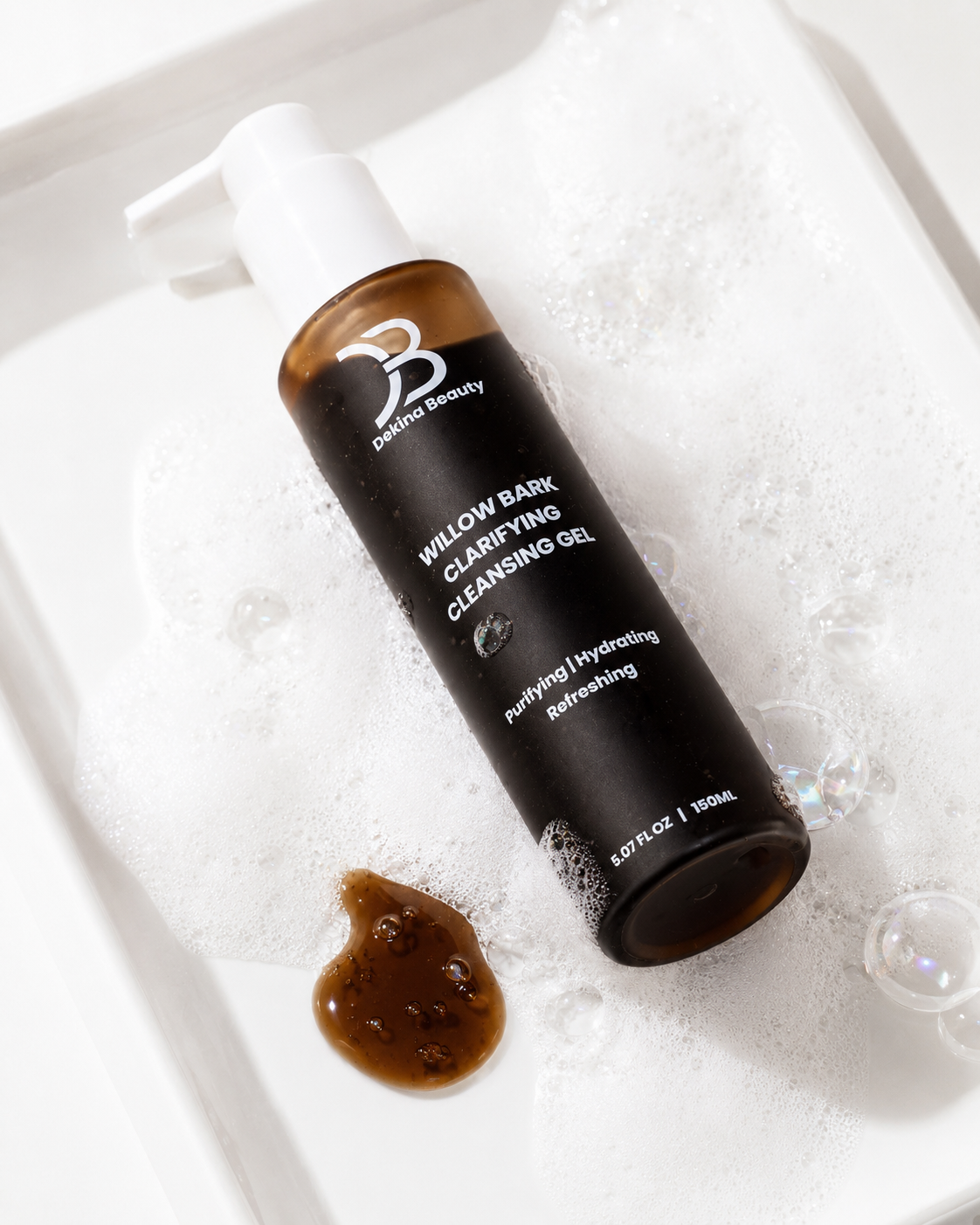
Willow Bark Clarifying Cleansing Gel
Bright & Glow Serum
Ultra-Lightweight Brightening Face Milk
Sunscreen
Evening
Willow Bark Clarifying Cleansing Gel
Willow Bark Balancing Facial Toner
Bright & Glow Serum
Ultra-Lightweight Brightening Face Milk
Introduce products gradually if your skin is sensitive or new to active skincare.
The Takeaway
The dark mark left after a breakout is not automatically a permanent scar.
For many people with Black skin, it is post-inflammatory hyperpigmentation caused by the inflammation that accompanied the original pimple.
The key is not to fight pigmentation aggressively.
It is to reduce unnecessary inflammation, use brightening ingredients consistently, moisturise, protect your skin from the sun and stop creating new marks by picking at breakouts.
Healthy brightness does not mean changing your natural complexion.
It means helping your skin look clearer, more even and naturally radiant.