Mulberry Extract may not get the same attention as some of skincare’s more famous brightening ingredients.
But its chemistry is surprisingly sophisticated.
Morus alba, or White Mulberry, contains several bioactive compounds that researchers have studied in relation to pigmentation.
One of the most interesting is oxyresveratrol.
And understanding what oxyresveratrol does helps explain why Mulberry Extract has earned its place in skincare formulated for dark spots, post-breakout marks, dullness and uneven-looking skin tone.
What Makes Mulberry Interesting For Uneven Skin Tone?
Your natural skin colour comes primarily from melanin.
Melanin is essential and protective. Brightening skincare should never be about trying to remove your natural pigmentation.
The issue is uneven melanin production.
After acne, irritation, inflammation or other triggers, some areas of the skin may produce more pigment than the surrounding skin.
That is how a healed pimple can leave a dark mark behind.
One of the important enzymes involved in melanin production is called tyrosinase.
And this is one area where compounds found in Mulberry become particularly interesting.
Meet Oxyresveratrol
Oxyresveratrol is a naturally occurring polyphenolic compound identified in Morus alba.
Laboratory studies have repeatedly shown significant tyrosinase-inhibiting activity from oxyresveratrol and other compounds isolated from Mulberry.
In simple terms, that means researchers are interested in oxyresveratrol because it interacts with one of the key biological processes involved in producing excess pigmentation.
But that is only part of the story.
Oxyresveratrol May Affect More Than Melanin Production
A 2024 study investigated oxyresveratrol purified from Morus alba in models designed to explore post-inflammatory hyperpigmentation.
Researchers found that it:
• Reduced melanin synthesis in human melanocytes
• Affected proteins involved in pigmentation
• Reduced melanosome transfer to surrounding skin cells
• Demonstrated antioxidant activity
• Reduced inflammatory signalling in laboratory models
• Supported proteins associated with skin-barrier function
This is particularly interesting because pigmentation is not controlled by one single switch.
Melanin has to be produced.
Packaged.
Transported.
Transferred into surrounding skin cells.
Inflammation can also influence the process.
So an ingredient being studied across several of these pathways becomes much more interesting than one described simply as “brightening.”
What Is Melanosome Transfer?
This is a part of pigmentation science that does not get discussed enough.
Melanocytes produce melanin inside structures called melanosomes.
Those melanosomes are then transferred to surrounding keratinocytes — the main cells making up the outer layers of your skin.
That transfer helps determine how pigment appears across the skin.
The 2024 oxyresveratrol research found effects not only on melanin synthesis but also on processes involved in melanosome transport and transfer.
That gives Mulberry’s brightening story another layer.
Has Mulberry Been Tested On Human Skin?
Yes.
One randomised, placebo-controlled study followed 50 people with melasma for eight weeks.
Twenty-five participants used a topical oil containing 75% Mulberry Extract.
Their average MASI pigmentation score decreased from 4.076 to 2.884 over eight weeks, while objective melanin measurements also improved compared with placebo.
That represents roughly a 29% reduction in the average MASI score within that study group.
It is a small clinical study and involved a specific concentrated Mulberry formulation, but it provides useful human evidence alongside the laboratory research.
Mulberry Is More Than Oxyresveratrol
Oxyresveratrol may be the compound that attracts attention, but Mulberry itself contains a wider family of interesting molecules.
Researchers have identified compounds such as mulberrosides, moracins, flavonoids and stilbenoids within different parts of Morus alba, several of which have demonstrated activity relevant to pigmentation and oxidative stress in laboratory research.
That is the advantage — and complexity — of botanical formulation.
You are not always working with one isolated molecule.
You are working with a botanical system.
Why Mulberry Is In The Bright & Glow Serum
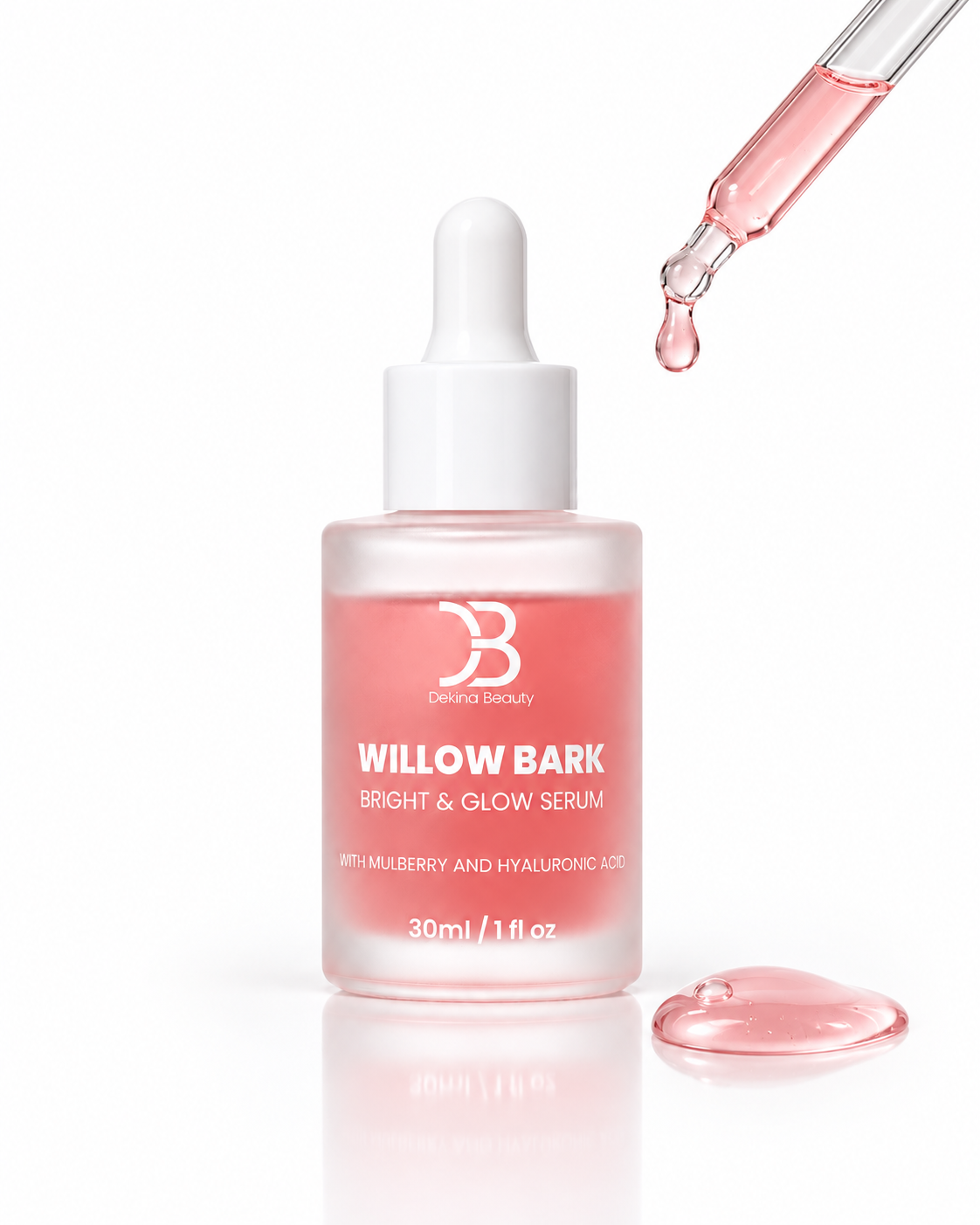
The Dekina Beauty Willow Bark Bright & Glow Serum was formulated around more than one pathway involved in dullness and uneven-looking pigmentation.
Mulberry works alongside:
Bearberry Extract
for additional botanical brightening support.
Licorice Root Extract
to support brighter, calmer and more even-looking skin.
Willow Bark Extract
to help refine texture and support clearer-looking skin.
Hyaluronic Acid, Aloe Vera and Glycerin
to provide hydration while the formula targets dullness and uneven tone.
That balance matters.
A brightening serum should not have to leave your skin feeling stripped in order to be effective.
Why We Also Use Mulberry In The Face Milk
Brightening does not have to stop when your serum ends.
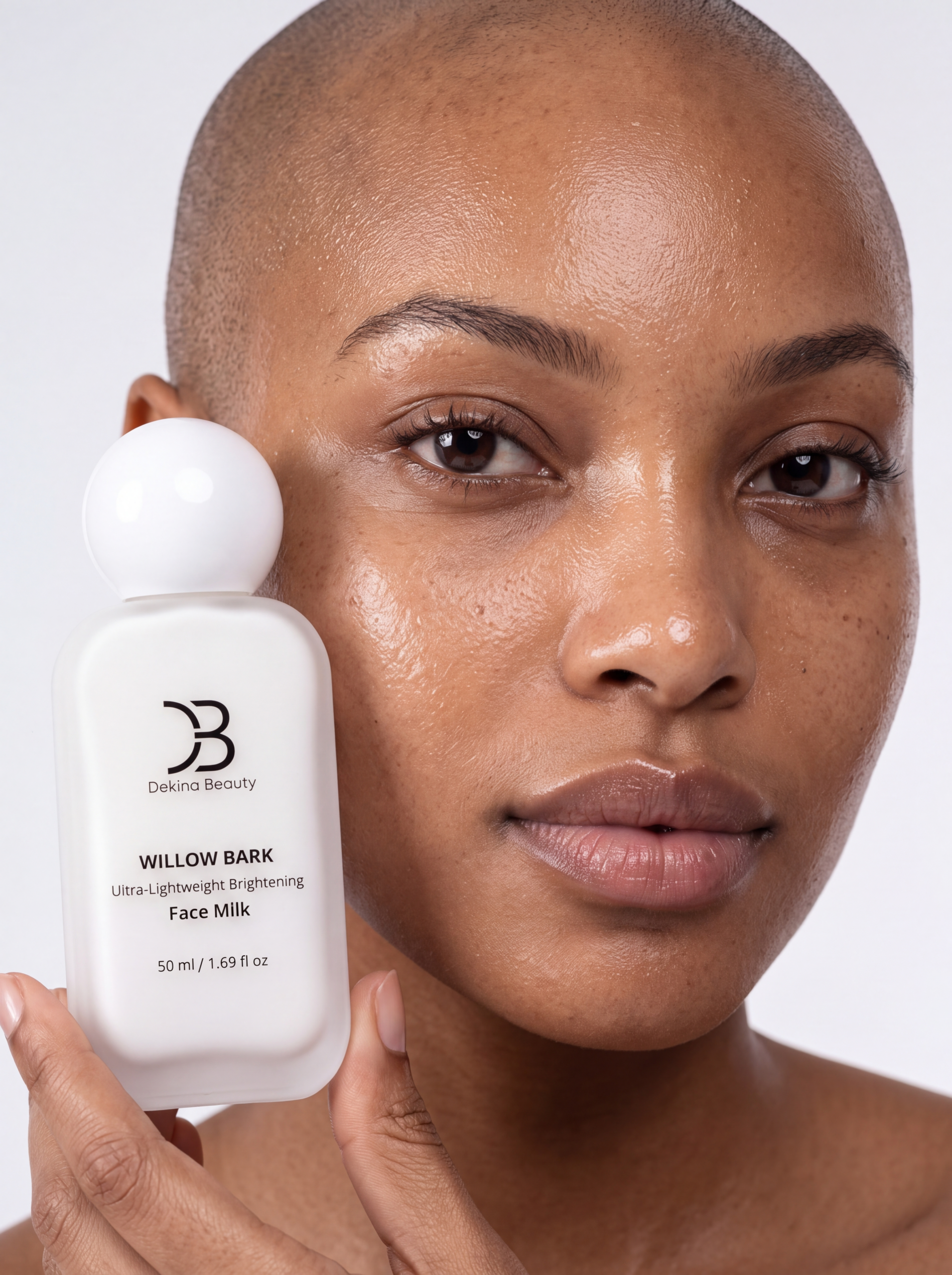
The Willow Bark Ultra-Lightweight Brightening Face Milk also contains Mulberry and Licorice.
But this time, they are combined with Yeast Beta-Glucan, Aloe Vera, Allantoin, Squalane and Vitamin E.
That means the moisturising step continues supporting a brighter, more even-looking complexion while also addressing hydration, softness and the moisture barrier.
The serum treats.
The Face Milk moisturises and supports.
Together, they make more sense than asking one ingredient to do everything.
Is Mulberry Good For Post-Acne Dark Spots?
This is one of the reasons Mulberry is particularly relevant to Dekina Beauty.
Post-inflammatory hyperpigmentation can remain long after an acne lesion has healed, especially in melanin-rich skin.
Research into oxyresveratrol’s effects on melanin synthesis, melanosome transfer and inflammatory pathways gives Mulberry a strong scientific rationale for inclusion in formulas designed to improve the appearance of post-breakout marks.
The key is consistency.
And preventing new inflammation matters just as much as fading existing marks.
A Simple Brightening Routine
Morning
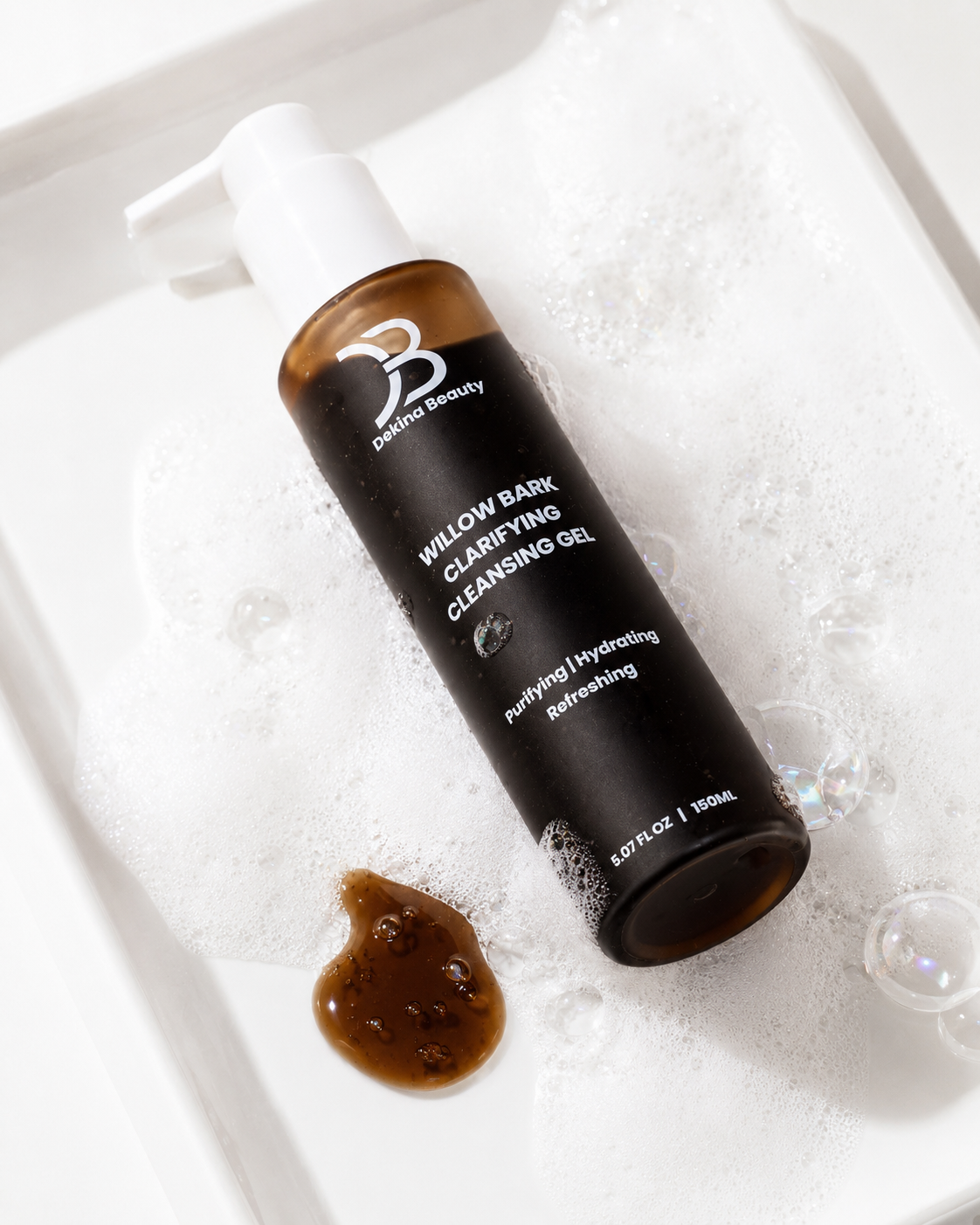
Willow Bark Clarifying Cleansing Gel
Bright & Glow Serum
Ultra-Lightweight Brightening Face Milk
Sunscreen
Evening
Willow Bark Clarifying Cleansing Gel
Willow Bark Balancing Facial Toner
Bright & Glow Serum
Ultra-Lightweight Brightening Face Milk
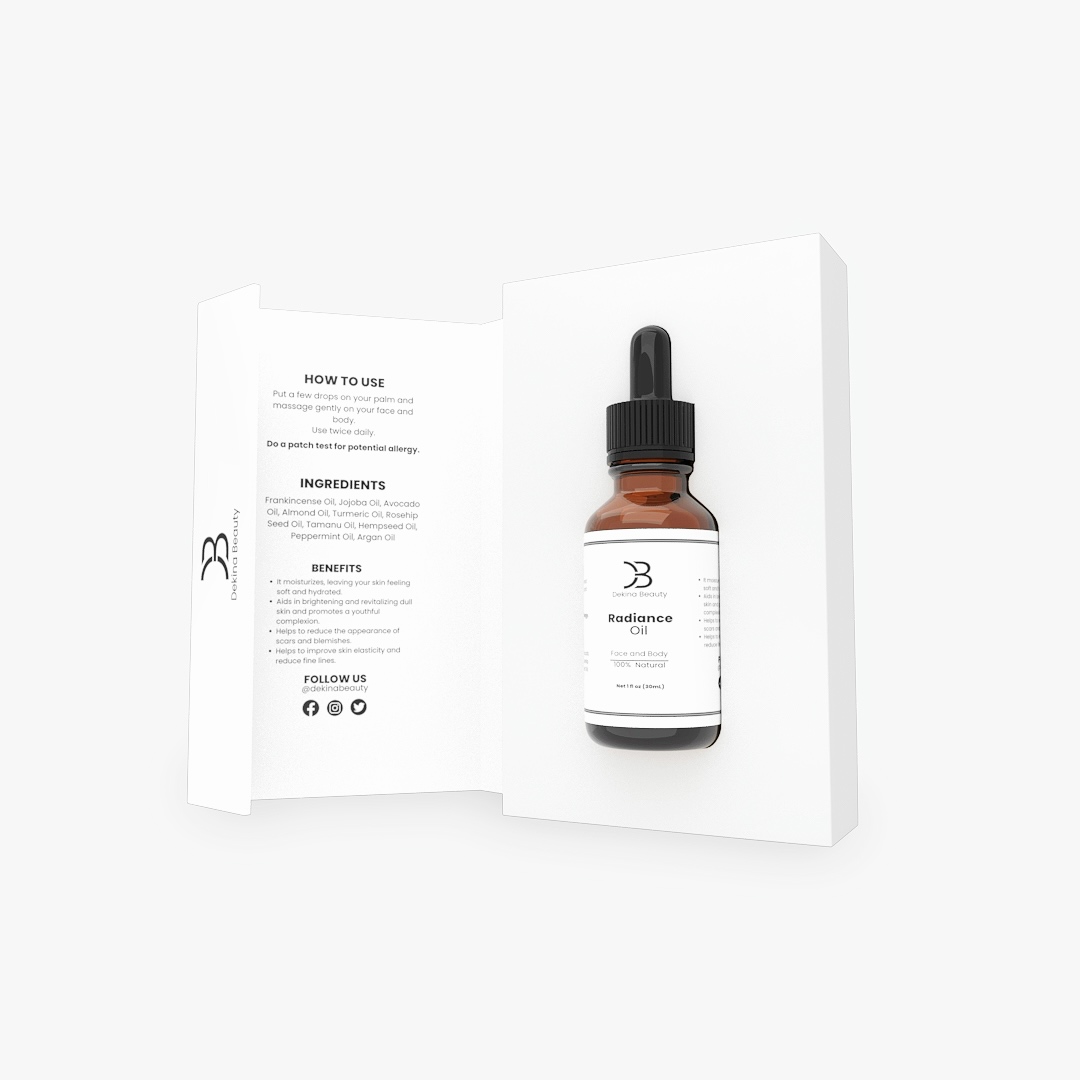
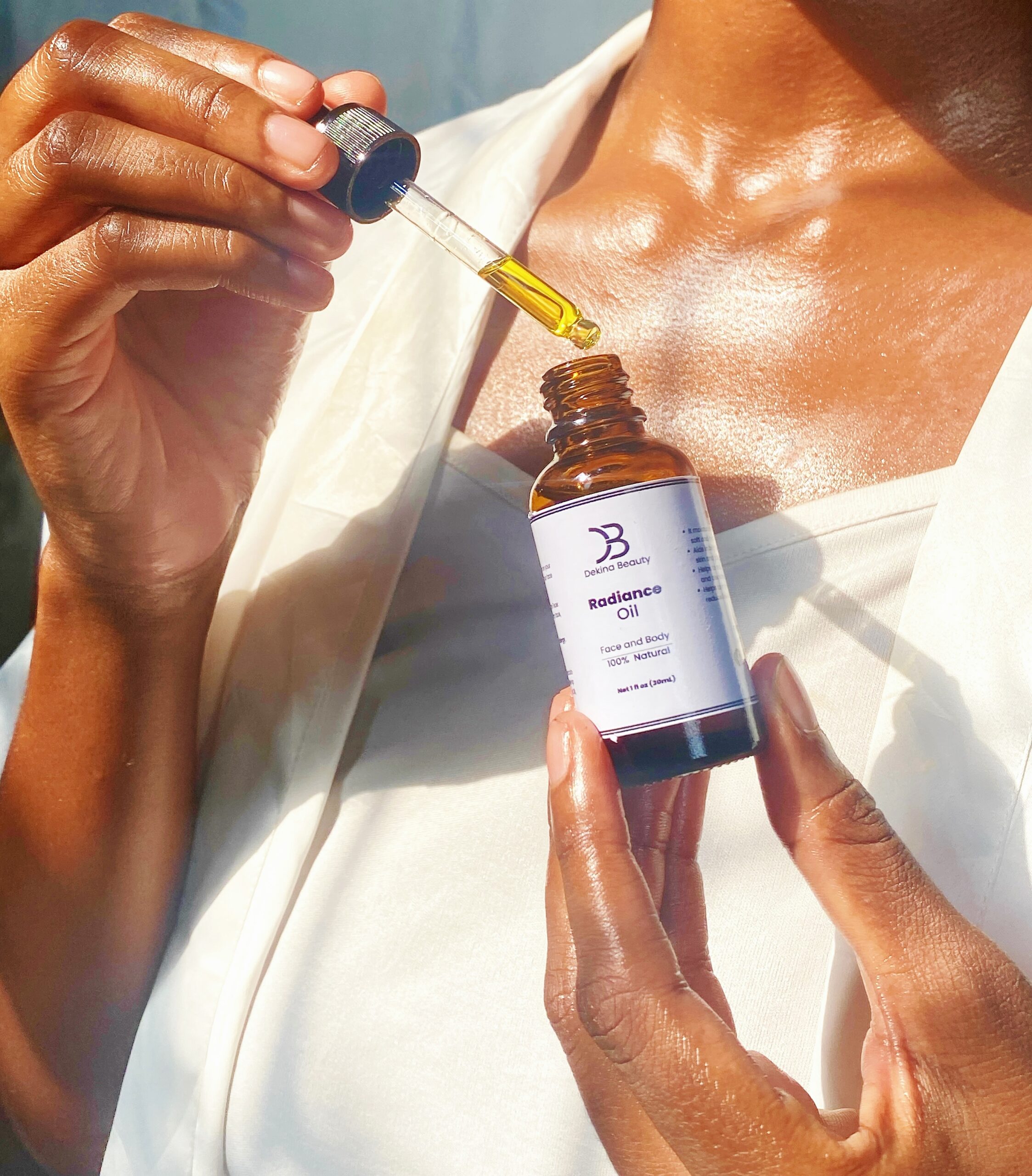
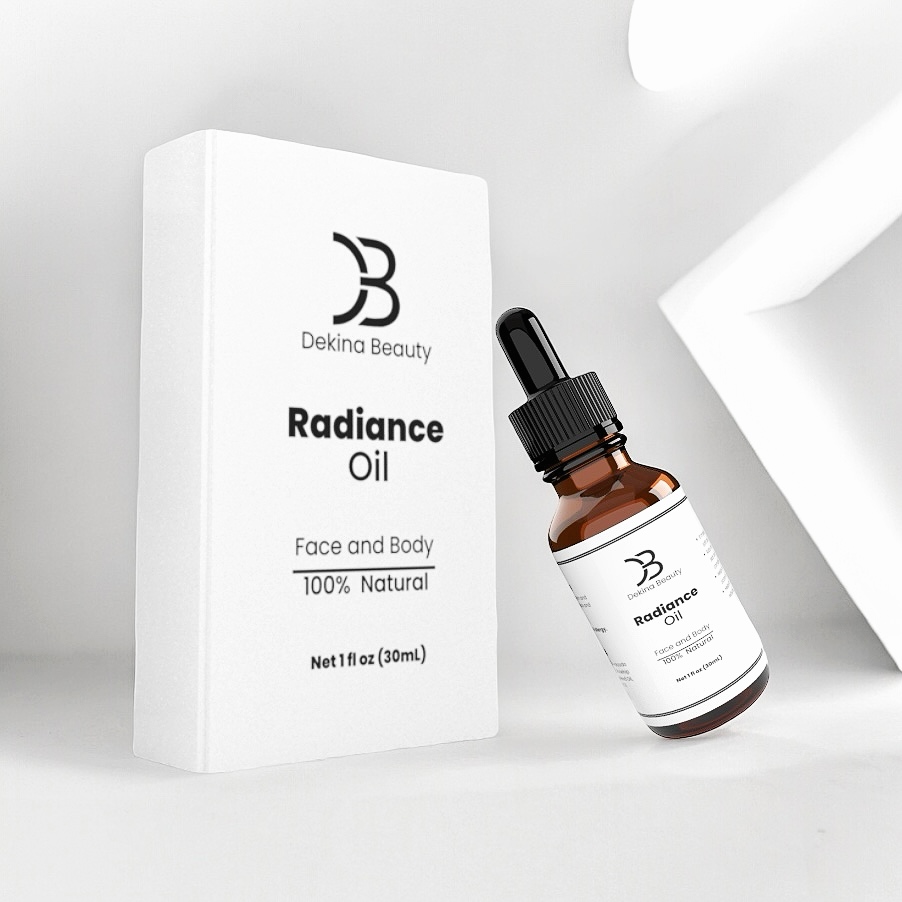
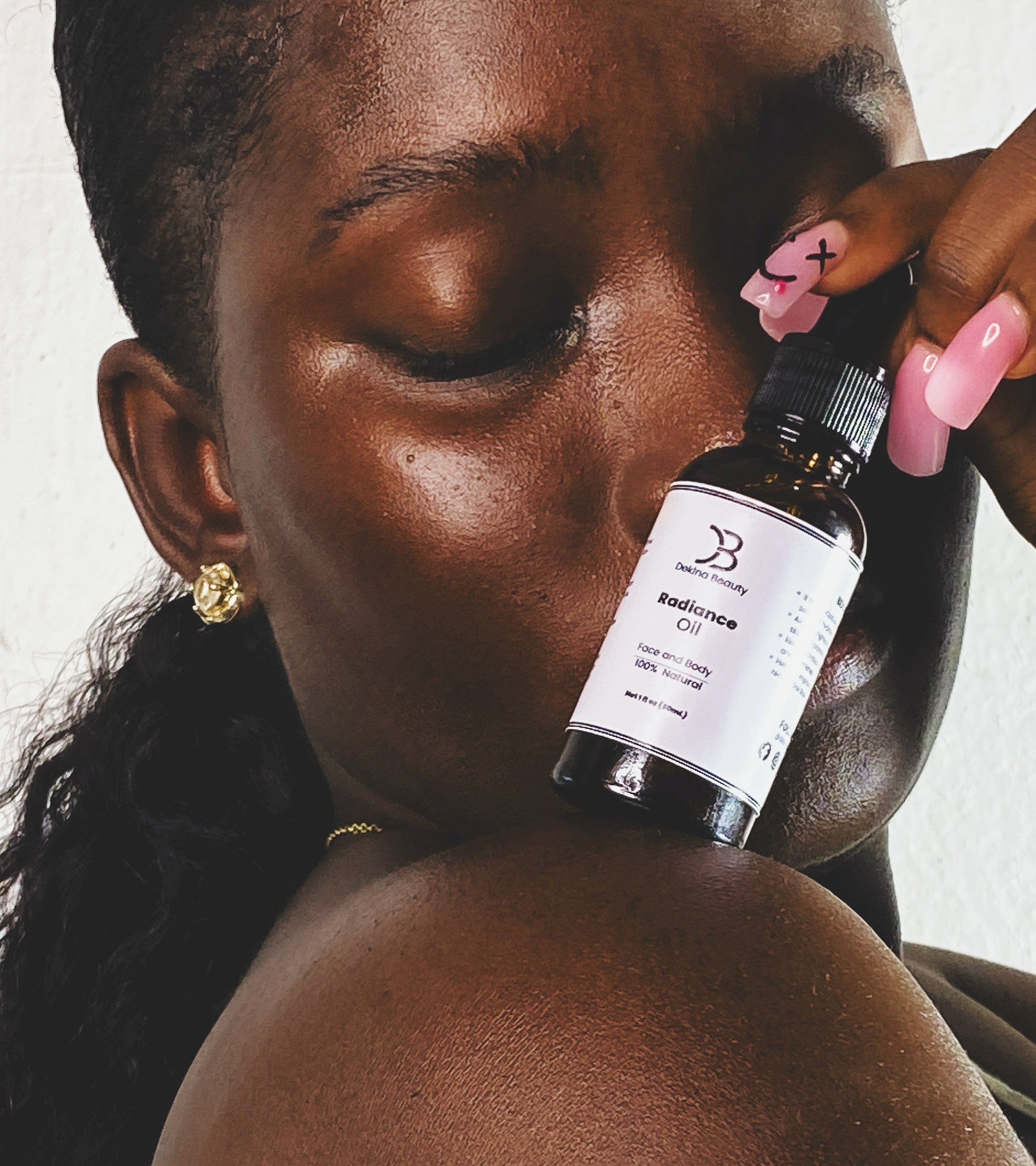
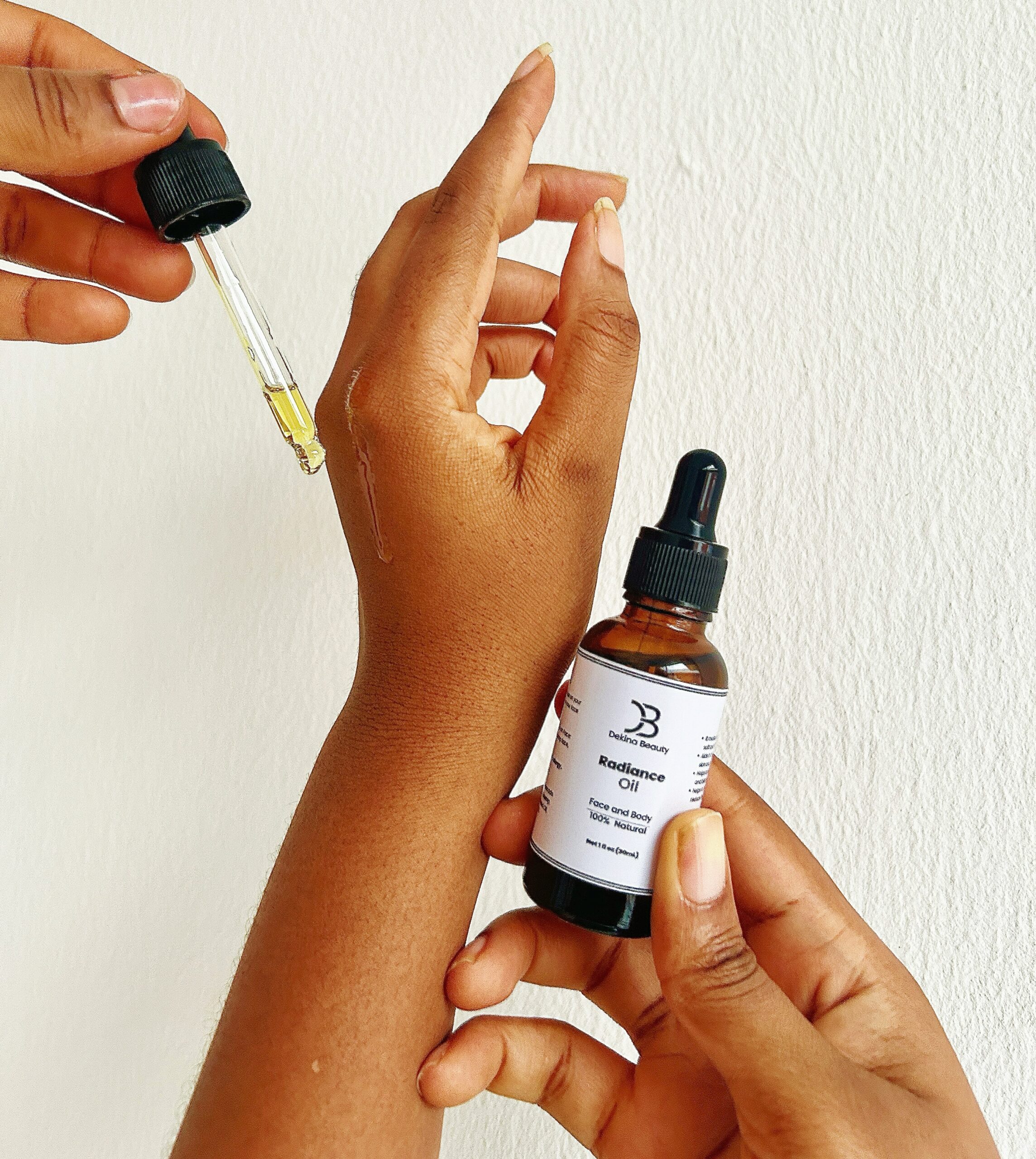
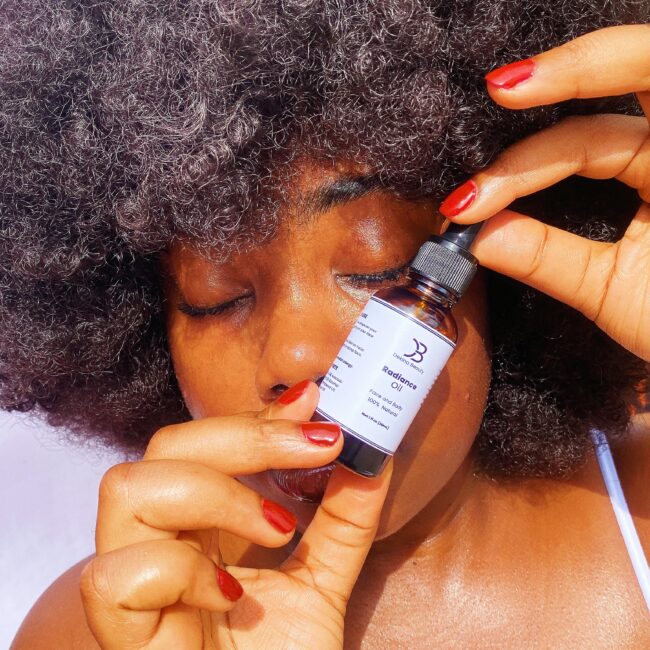
For dry skin, Radiance Oil can be added as the final evening step.
The Takeaway
Mulberry is not included in skincare simply because it is a fashionable botanical.
Its chemistry gives it a genuine reason to be there.
Compounds found in Morus alba, particularly oxyresveratrol, have been studied for their effects on tyrosinase activity, melanin production, melanosome transfer, oxidative stress and pathways involved in post-inflammatory pigmentation.
And human research has also produced encouraging results for topical Mulberry Extract in uneven pigmentation.
That is why Mulberry sits at the heart of two of Dekina Beauty’s brightening formulas: the Bright & Glow Serum and Ultra-Lightweight Brightening Face Milk.
Not to change your natural skin colour.
But to help the skin you already have look more even, clearer and naturally radiant.