Your skin is the largest organ in your body and plays a crucial role in protecting your internal organs. It is the first point of contact with the environment, and as such, it is exposed to various types of damage and irritants. Understanding your skin is crucial for maintaining its health and appearance.
Skin Types
The most basic of understanding your skin is recognizing its type. There are five types: oily, dry, combination, sensitive, and normal. Knowing your skin type plays a vital role in choosing the right skincare products that suit your needs.
Oily skin has a shiny appearance because of the excess sebum produced. People with this skin type are prone to acne and blackheads.
Dry skin can feel tight and may appear flaky because it lacks moisture. It is prone to fine lines and wrinkles.
Combination skin can have oily T-zones while the rest of the face is dry. This skin type requires a balanced skincare routine.
Sensitive skin is easily irritated by external factors such as heat, fragrance, or harsh skincare products. It may cause redness, itching, or discomfort.
Normal skin is well-balanced and shows minimal to no imperfections.
Skin Layers
Your skin is composed of three layers: epidermis, dermis, and hypodermis. Each layer plays a distinct role in maintaining your skin’s health and appearance.
The epidermis is the outermost layer that acts as a barrier to the environment. It also produces melanin, which gives skin its color.
The dermis is the middle layer that contains collagen, elastin, and hyaluronic acid, which keep the skin firm, elastic, and hydrated.
The hypodermis is the subcutaneous tissue that stores fat and regulates body temperature.
Skincare Routine
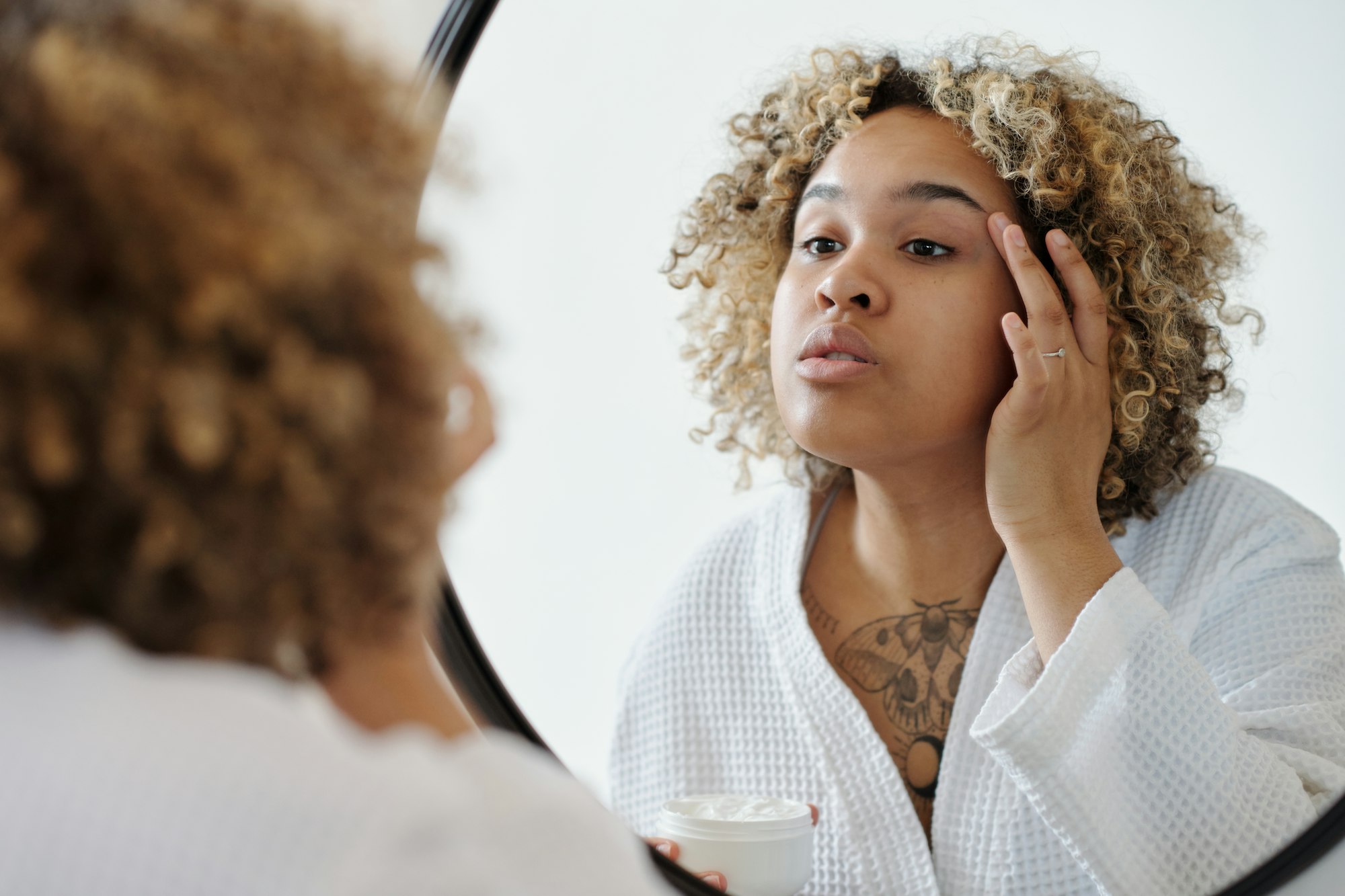
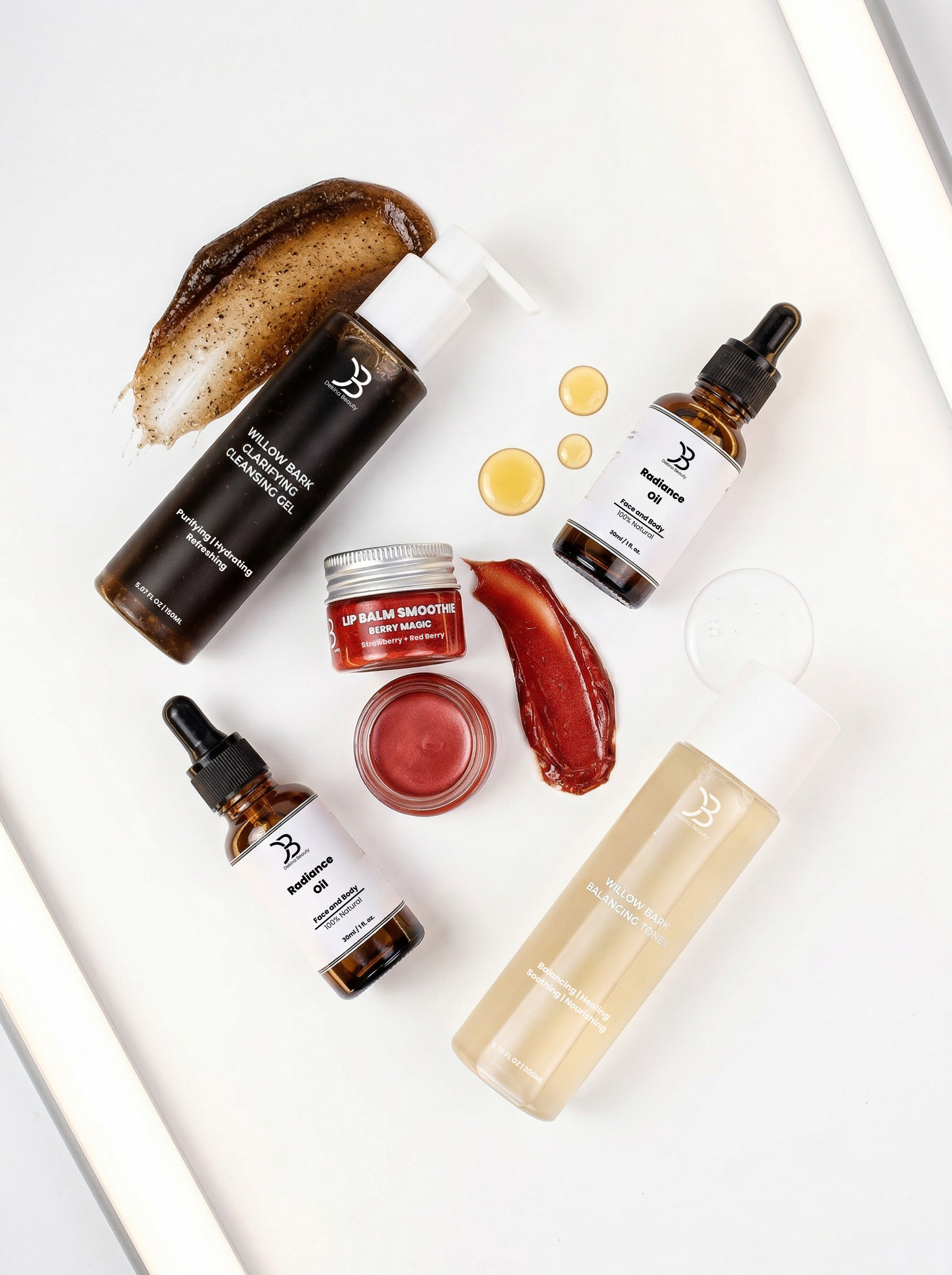
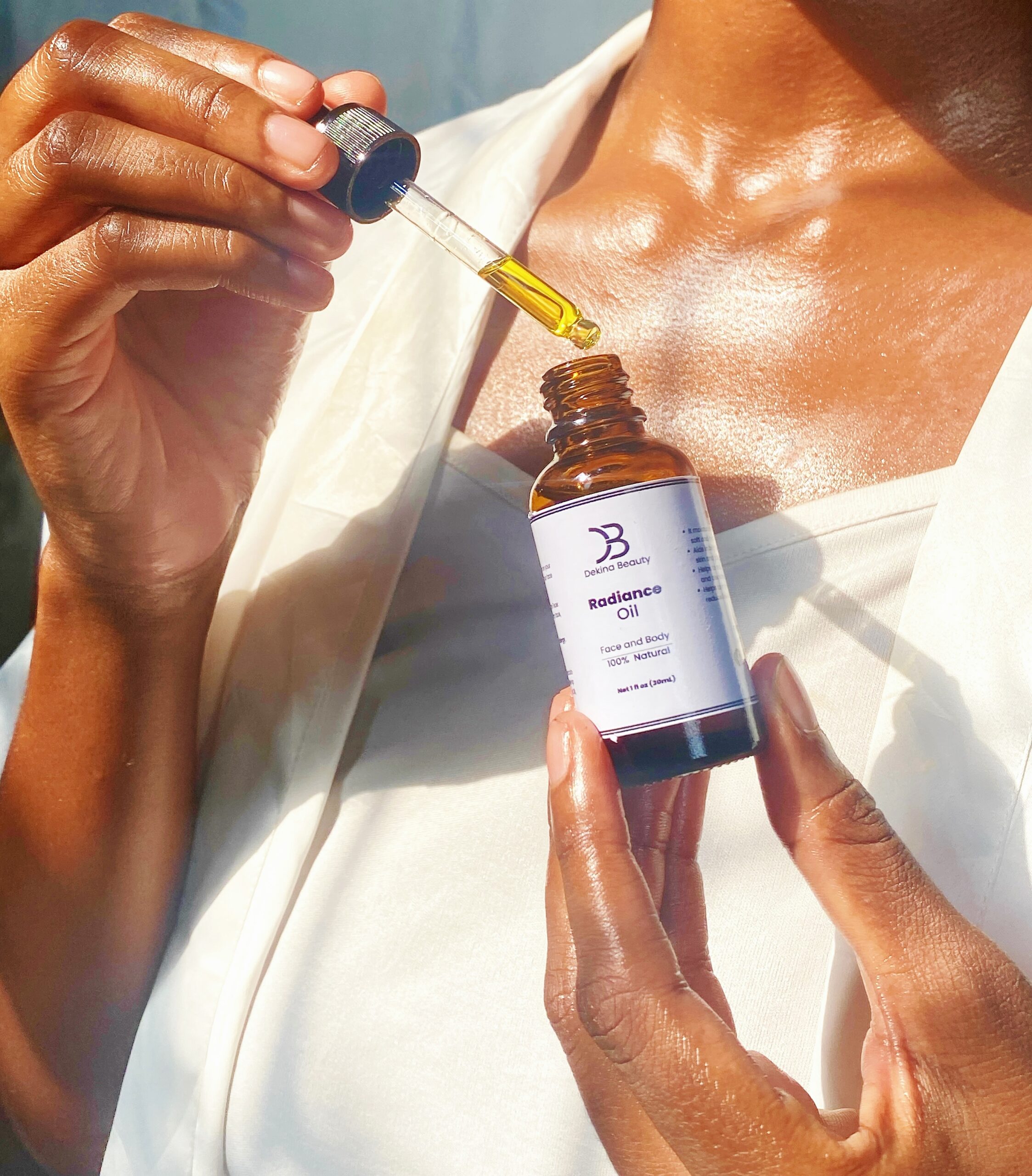
Having a proper skincare routine is essential in maintaining healthy skin. It involves cleansing, toning, treating, moisturizing, and protecting. Cleansing removes makeup and impurities, toning prepares the skin for treatment, treatment provides nutrients and active ingredients for specific skin concerns, moisturizing hydrates the skin, and protection shields it from the sun’s harmful rays.
Diet and Lifestyle
Your diet and lifestyle choices have a considerable impact on your skin’s health and appearance. Foods high in sugar and processed fats can cause inflammation and breakouts. A balanced diet, rich in nutrients and healthy fats, helps maintain healthy skin. Drinking enough water also helps with hydration, and getting enough sleep allows your skin to repair and regenerate.
Conclusion
Understanding your skin is more than knowing its type and layers. It’s about listening to it, giving it the proper care, and making healthy lifestyle choices. Everyone’s skin is unique, and what works for one person may not work for another. Experimenting with different skincare products and routines to find what works best for you is the key to maintaining a healthy and glowing complexion.