Introduction
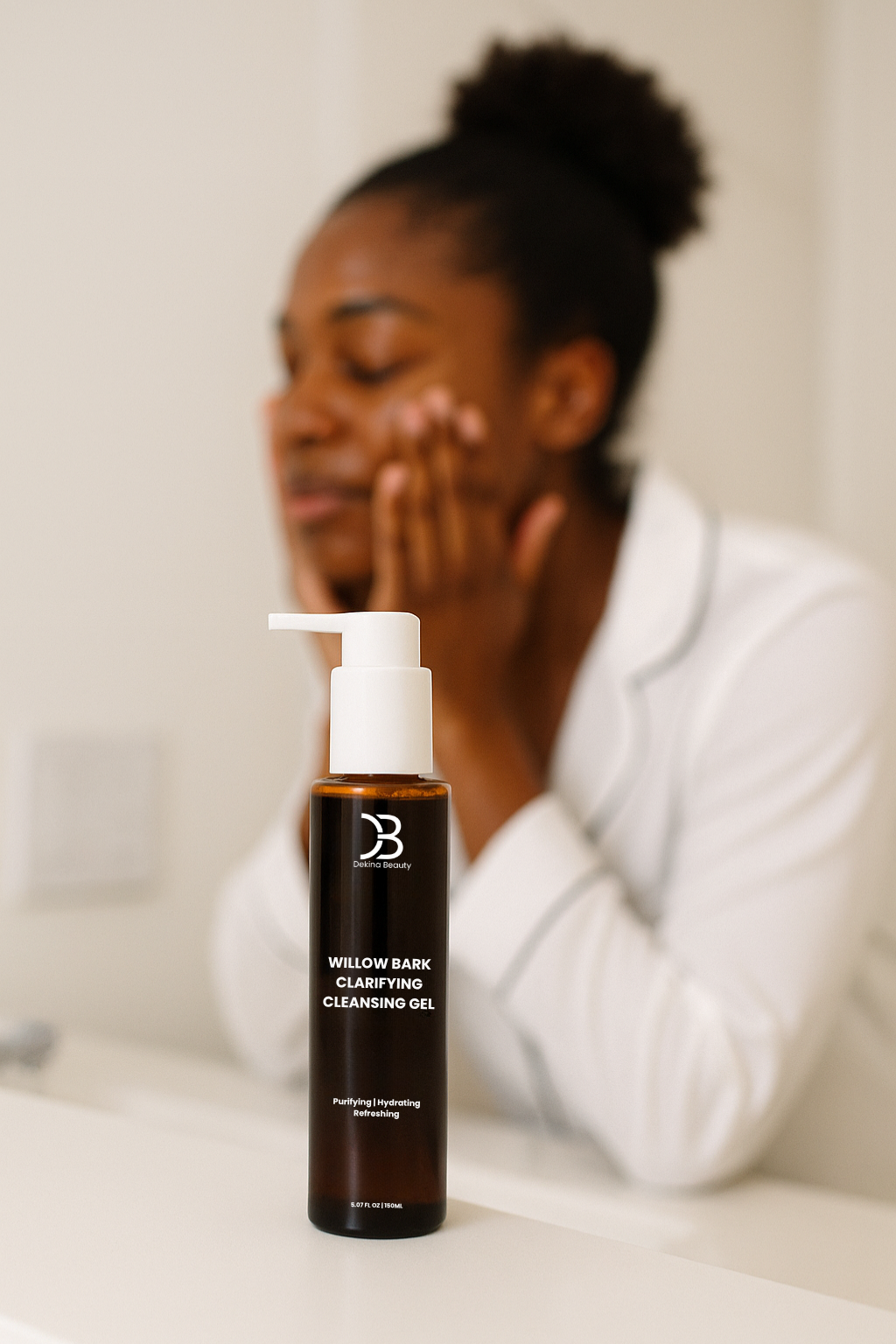
Have you ever noticed that refreshing yet slightly taut sensation in your skin after using a cleanser? Many people associate this feeling with cleanliness, but there’s more to it than meets the eye. The sensation of tightness post-cleansing is a complex interplay of biology and chemistry. In this article, we’ll delve into the real reasons why your skin feels tighter after using a cleanser and what you can do to maintain a healthy balance.
The Role of Cleansers
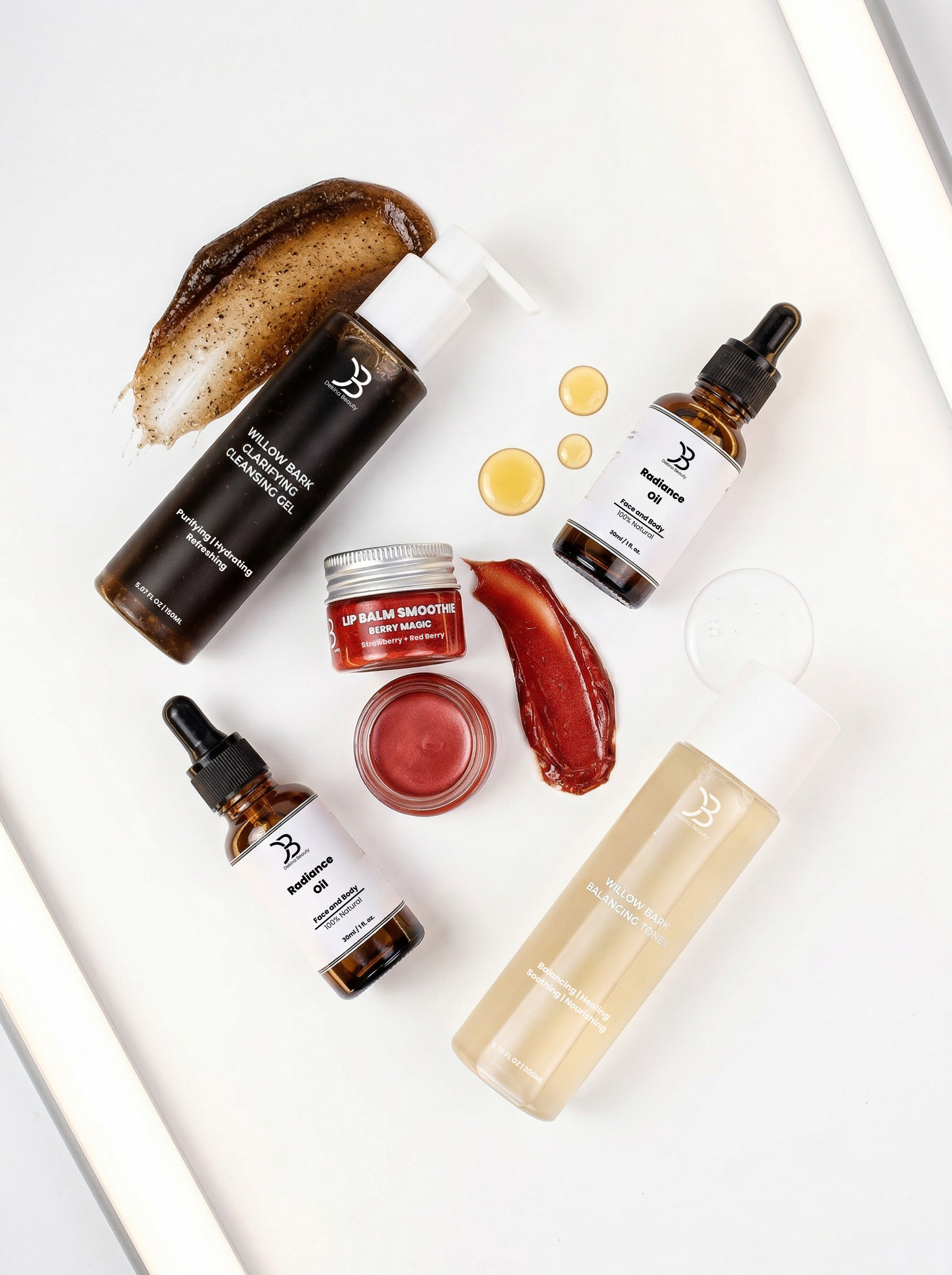
Cleansers are a fundamental component of skincare routines. They are designed to remove dirt, excess oil, makeup, and environmental impurities from the skin’s surface. There are various types of cleansers, including foaming cleansers, gel cleansers, cream cleansers, and oil-based cleansers, each catering to different skin types and needs.
The Culprit: Stripped Natural Oils
The feeling of tightness is primarily caused by the removal of natural oils from your skin. These natural oils, known as sebum, are produced by sebaceous glands in the skin to moisturize and protect it. When you cleanse your face, the cleanser’s ingredients, such as surfactants, emulsifiers, and detergents, work to break down and remove these oils. While this is essential for removing impurities, it can also leave your skin feeling tight and dry.
pH Levels Matter
The pH level of your cleanser plays a crucial role in determining the extent of skin tightness you’ll experience. The skin’s natural pH is slightly acidic, typically ranging between 4.5 and 6.5. Cleansers with a high pH (alkaline) can disrupt this balance and strip away more natural oils, leading to a pronounced feeling of tightness. Opting for a cleanser with a pH closer to your skin’s natural pH can help minimize this sensation.
Over-Cleansing is a Culprit
Another factor contributing to that tight feeling is over-cleansing. It’s a common misconception that cleansing your face multiple times a day will keep it cleaner. However, excessive cleansing can strip away too many natural oils, leading to dryness and tightness. Most skincare experts recommend cleansing your face twice daily, in the morning and before bedtime, unless you have a specific skin condition that requires more frequent cleansing.
Balancing Act: Maintaining Healthy Skin
While it’s normal for your skin to feel a bit tighter after cleansing, it should not be uncomfortably tight or accompanied by redness and irritation. To maintain a healthy balance:
1. Choose the Right Cleanser: Opt for a gentle, pH-balanced cleanser that matches your skin type. If you have dry skin, consider cream or oil-based cleansers.
2. Avoid Hot Water: Use lukewarm water for cleansing, as hot water can further dry out your skin.
3. Moisturize: Apply a hydrating moisturizer immediately after cleansing to replenish lost moisture and lock it in.
4. Consider Micellar Water: On days when you don’t need a deep cleanse, micellar water can be a gentle alternative for removing makeup and light impurities.
5. Exfoliate Wisely: Incorporate exfoliation into your routine but don’t overdo it. Excessive exfoliation can exacerbate skin tightness.
Conclusion
The sensation of tightness after using a cleanser is a natural consequence of removing impurities and natural oils from your skin. However, it’s crucial to strike a balance between cleanliness and maintaining your skin’s health. By choosing the right cleanser, using lukewarm water, moisturizing, and being mindful of your skin’s needs, you can enjoy clean, refreshed skin without the discomfort of excessive tightness. Remember, healthy skin is all about balance.